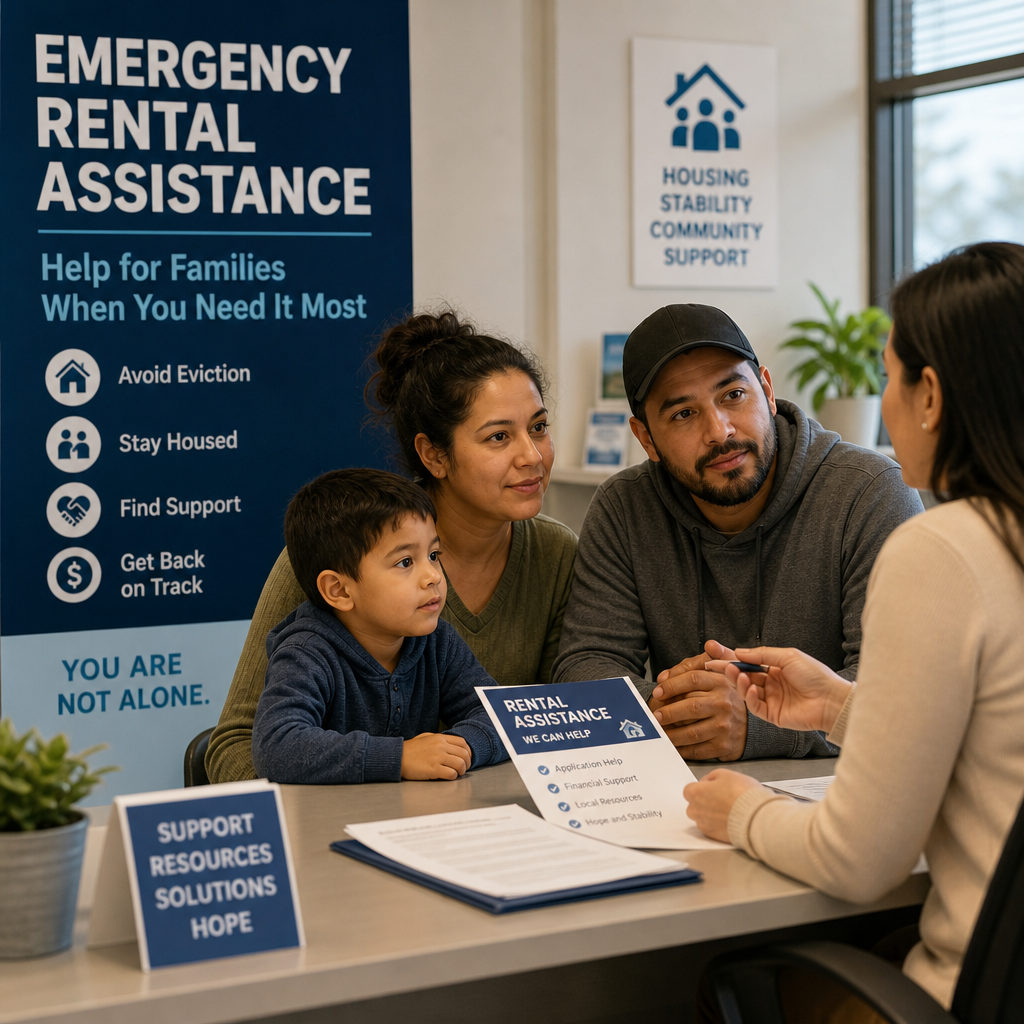
Emergency Rental Assistance: Where Families Can Find Help
When rent becomes hard to pay, emergency rental assistance can help families catch up and protect their housing stability. Here’s where to look for support and how to apply before a small setback turns into an eviction crisis.
By: Emily Adams on August 3, 2026
Anúncios
Unexpected expenses can turn a stable household budget into a stressful balancing act. A sudden job loss, medical bill, reduced hours, or family emergency can make it hard to keep up with rent. When that happens, emergency rental assistance can provide a critical lifeline for families trying to avoid eviction and stay housed.
The good news is that help may be available from federal, state, local, nonprofit, and community-based programs. The challenge is knowing where to look, what to ask for, and how to apply quickly before a housing crisis gets worse. This guide explains how emergency rental assistance works, where families can find it, and what steps can improve the chances of getting help.
Anúncios
What Is Emergency Rental Assistance?
Emergency rental assistance is short-term financial support designed to help renters who are behind on housing-related costs or at risk of losing their homes. Depending on the program, it may cover:
Past-due rent
Future rent payments
Late fees
Utility bills
Internet bills in some programs
Moving costs or temporary housing support in limited cases
These programs are often intended for households that have experienced financial hardship and need immediate help to avoid eviction, homelessness, or utility shutoff.
Anúncios
Who Can Qualify for Rental Assistance?
Eligibility rules vary by program, but many assistance programs look for some combination of the following:
Household income below a certain limit
Financial hardship caused by job loss, reduced income, illness, or another emergency
Risk of housing instability, eviction, or utility shutoff
Residency within a specific city, county, or state
A lease agreement or proof of rental obligation
Some programs prioritize households with children, seniors, people with disabilities, or those already facing eviction. Others may serve anyone who meets income and hardship criteria.
Common documents you may need
To apply for emergency rental assistance, gather as much paperwork as possible before you start:
Photo ID for adult household members
Lease or rental agreement
Proof of income, such as pay stubs or benefit letters
Past-due rent notice or eviction notice
Utility bills, if requesting help with utilities
Bank statements or hardship documentation
Landlord contact information
Proof of residency
Having these documents ready can speed up the application process and reduce delays.
Emergency Rental Assistance: Where Families Can Find Help
Finding the right program often depends on where you live and how urgent your situation is. Start locally, then expand your search to regional and national resources if needed.
1. Local government housing departments
City and county housing offices are often the first place to check for emergency rental assistance. Many local governments administer their own programs or maintain referral lists for renters in crisis.
Look for:
Housing department websites
Community development offices
Human services agencies
Eviction prevention programs
These offices may offer direct assistance or connect you to partner organizations that can help with rent, legal aid, and mediation.
2. State emergency rental assistance programs
Many states operate rental support programs funded through housing and emergency relief resources. State programs often serve residents across multiple counties and may have separate portals for applications, screening, and documentation upload.
A state housing finance agency or department of human services is usually the best place to start. Search for your state’s official housing website and look for terms like:
Rent relief
Eviction prevention
Housing stability
Emergency housing assistance
3. 211 and local referral networks
In many areas, dialing 211 connects you to a community resource specialist who can help you find rental assistance, food programs, utility support, and emergency shelter. This is one of the fastest ways to get local, up-to-date referrals.
211 can be especially helpful if:
You do not know which agency serves your area
Your local program has closed to new applicants
You need help with more than rent alone
You need services in another language
If phone access is difficult, many 211 systems also offer online search tools.
4. Nonprofit organizations and charities
Community nonprofits often provide emergency financial help or case management services. These organizations may receive grants or donations specifically for keeping families housed.
Common providers include:
Catholic Charities
Salvation Army
United Way partner agencies
Community action agencies
Local family service nonprofits
Faith-based housing ministries
These groups may offer one-time grants, landlord negotiation, or referrals to other aid. Some also help families apply for government benefits that can free up money for rent.
5. Legal aid organizations
If you have received an eviction notice or are being threatened with court action, legal aid can be just as important as rental assistance. A lawyer or housing advocate may help you:
Understand your rights
Request more time from your landlord
Apply for emergency rental assistance
Respond to an eviction case
Explore repayment plans or mediation
Even if legal aid does not provide money directly, it may help you keep your housing stable long enough for assistance to come through.
6. Your landlord or property manager
This may not be the first place families think to look, but it can matter. Some landlords are willing to:
Delay eviction while an application is pending
Accept a partial payment
Set up a repayment plan
Provide required documents for assistance programs
If you reach out early, keep communication respectful and in writing when possible. A landlord who knows you are actively applying for help may be more willing to cooperate.
How to Apply for Emergency Rental Assistance
The application process can feel overwhelming, especially when you are already under financial stress. Breaking it into steps can make it easier.
Step 1: Identify the right program
Start with the program most likely to serve your area. That may be:
A city or county rent relief office
A state housing agency
A nonprofit emergency fund
A referral through 211
Check whether the program is currently open, what area it serves, and whether it helps with rent, utilities, or both.
Step 2: Review the eligibility rules
Before applying, read the instructions carefully. Some programs prioritize renters already behind on rent, while others help those at immediate risk of losing housing.
Pay attention to:
Income limits
Residency rules
Deadline dates
Required documents
Whether landlords must participate
Step 3: Submit the application quickly
If the program has an online portal, apply as soon as possible. If you must apply by phone, email, or in person, follow the instructions exactly. Save copies of everything you submit.
Step 4: Respond to requests for more information
Many applications are delayed because a document is missing or unclear. Check your email, voicemail, and mail regularly. If the agency asks for more information, respond quickly.
Step 5: Follow up
If you have not heard back after a reasonable amount of time, contact the agency or caseworker. Ask whether your application is complete and whether anything else is needed.
Practical Tips to Improve Your Chances
While no one can guarantee approval, a few simple habits can help the process go more smoothly.
Be honest and specific
Describe your hardship clearly. Instead of saying only “I need help,” explain what changed:
Hours were cut at work
A medical emergency created unexpected bills
Childcare costs increased
A family member lost income
Clear documentation makes it easier for reviewers to understand your situation.
Keep your landlord in the loop
Some programs require landlord participation. Others move faster when the landlord provides a ledger, W-9, or verification form. Let the landlord know you are applying and ask what paperwork they can provide.
Keep a folder for documents
Create one place for all your paperwork, whether digital or paper. Include:
Lease
Rent statements
Eviction notices
IDs
Pay stubs
Benefit letters
Copies of emails and application confirmations
This saves time if you need to reapply or appeal a decision.
Ask about other support too
Rental assistance may not cover everything you need. Ask about:
Utility assistance
Food assistance
Transportation help
Childcare programs
Budget counseling
Job placement support
Reducing other expenses can help you stay current on rent going forward.
What If You Are Facing Eviction Now?
If you have already received a notice to pay or quit, or your landlord has filed in court, time matters. Emergency rental assistance may still be available, but you should act immediately.
Here is a smart order of operations:
Open and read every notice right away.
Contact legal aid or a tenant hotline.
Apply for rental assistance the same day if possible.
Tell the landlord or court that you are seeking help.
Keep records of every call, email, and document.
In many places, judges, mediators, or legal advocates may ask whether rental assistance applications are pending. Proof that you are actively seeking help can sometimes buy time.
How Families Can Avoid Future Rent Problems
Emergency aid can solve an immediate crisis, but long-term stability usually requires a plan. After the urgent issue passes, consider these steps:
Build a small emergency fund, even if you start with $10 or $20 at a time
Contact utility companies early if bills start to rise
Review your lease and renewal dates
Look into benefits you may qualify for, such as food assistance or childcare support
Use community budget counseling or financial coaching services
Keep copies of important housing documents in a secure place
Even small changes can make it easier to stay ahead of future setbacks.
Frequently Asked Questions
1. What is emergency rental assistance used for?
Emergency rental assistance helps renters cover overdue rent, future rent, utilities, and sometimes related housing costs. The exact uses depend on the program. Some programs focus on preventing eviction, while others also help with utility shutoff prevention or housing relocation costs.
2. How fast can families get rental assistance?
The timeline varies widely. Some local nonprofits or emergency funds can respond quickly, while government programs may take longer because of application review and verification requirements. If you need help urgently, apply as soon as possible and follow up regularly.
3. Can I apply if I already have an eviction notice?
Yes, many programs specifically help renters who are behind on rent or facing eviction. In fact, having an eviction notice may strengthen your case for emergency rental assistance. You should also contact legal aid right away because rental assistance alone may not stop court action.
4. Do I need my landlord’s permission to apply?
Not always, but many programs require landlord verification or participation to release funds. Even when landlord approval is not required to apply, it often helps to inform your landlord early. Clear communication can prevent misunderstandings and may delay eviction while your application is reviewed.
5. What if I am denied rental assistance?
If you are denied, ask why. Sometimes the issue is incomplete paperwork, income verification, or a program funding limit. You may be able to appeal, reapply, or seek help from another source such as 211, legal aid, a nonprofit, or a different local program.
When rent becomes unmanageable, families often feel pressure from every direction at once. The key is to act quickly, stay organized, and look beyond a single source of help. Emergency rental assistance can come from local government offices, state housing programs, 211 referral lines, nonprofits, legal aid groups, and sometimes even cooperative landlords. Each resource plays a different role, but together they can help families avoid eviction and regain stability.
If you are behind on rent now, start with the nearest local or state housing program, gather your documents, and ask for help immediately. If you are not in crisis yet, learn which programs serve your area before you need them. Being prepared can save time, reduce stress, and make the difference between a temporary setback and a housing emergency. Support exists, and taking the first step today can help protect your home tomorrow.
Emily A, holds a Master's degree in Public Administration (MPA) and has over 7 years of experience researching federal and state assistance programs. She writes educational content focused on government benefits, public policy, and community resources, using information from official agencies to help readers understand available programs and eligibility requirements.