GI Bill Benefits: Paying for College, Training, and Certifications
Anúncios
For many veterans and eligible service members, GI Bill benefits can make education and career training far more affordable. Whether you want to earn a college degree, complete an apprenticeship, or pay for a professional certification, the GI Bill offers support that can help you move forward with less financial stress. Understanding how these benefits work is the first step toward using them well.
The GI Bill is not one-size-fits-all. Different programs cover different types of education, and the amount of assistance you receive depends on factors like your service history, the school or training provider, and how you use the benefit. If you are planning your next move after military service, knowing the basics of GI Bill benefits can help you choose the right path.
Anúncios
What Are GI Bill Benefits?
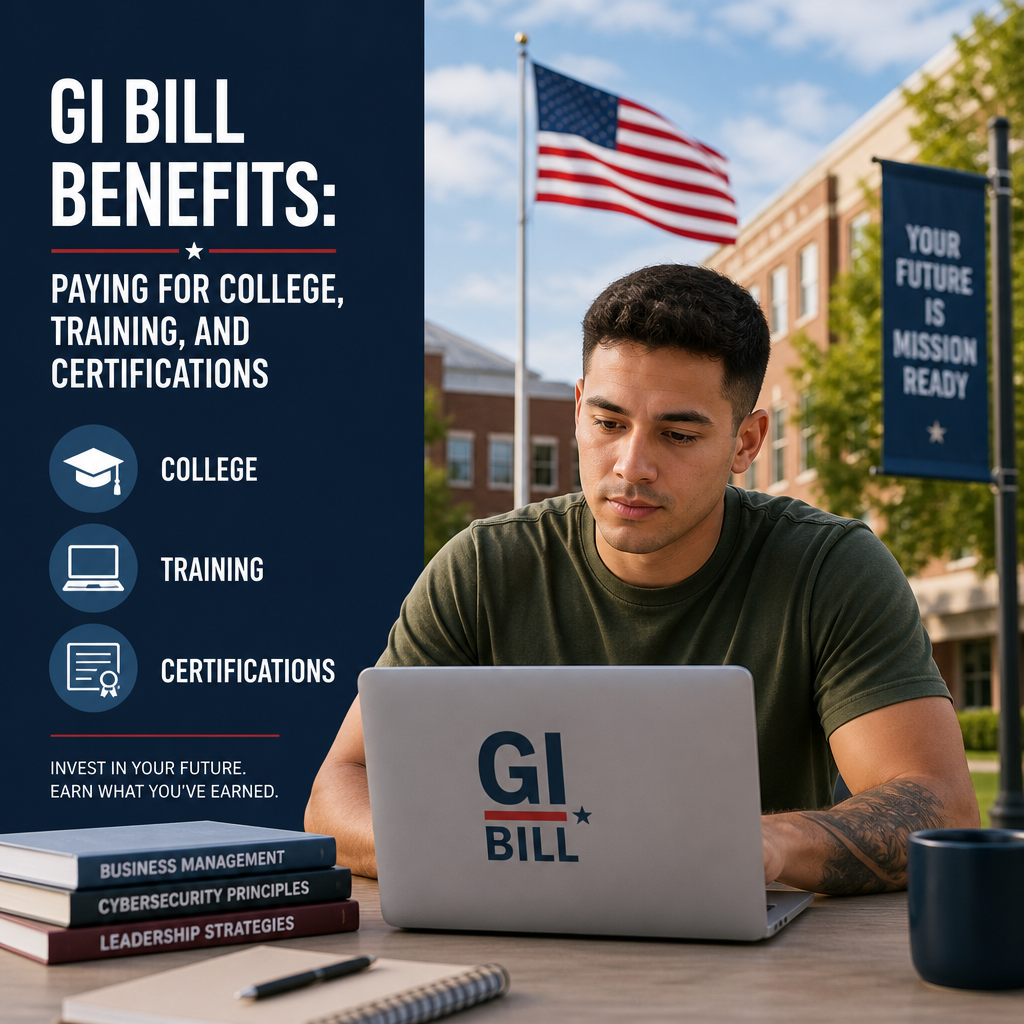
GI Bill benefits are education and training benefits provided to eligible veterans, service members, and in some cases family members. These benefits are designed to help cover the cost of:
- College and university tuition
- Vocational and trade school training
- Apprenticeships and on-the-job training
- Certification and licensing tests
- Flight training
- Online programs and some non-traditional learning options
The most commonly used program today is the Post-9/11 GI Bill, but there are other GI Bill programs with different eligibility rules and support levels. Some cover full tuition at public schools, while others provide monthly payments or a set amount for approved training.
Anúncios
Why the GI Bill Matters
Education can be expensive, and career transitions are rarely simple. GI Bill benefits can reduce or eliminate tuition costs, help with housing during school, and make it easier to train for a new profession. For many people, this benefit is a major bridge between military service and long-term career stability.
Main Types of GI Bill Benefits
To use your benefit effectively, it helps to know which GI Bill program you have and what it covers.
Post-9/11 GI Bill
This is the most widely used version. It typically helps pay for:
- Tuition and fees at approved schools
- A monthly housing allowance
- Money for books and supplies
- Some relocation support for rural students in limited cases
The amount you receive generally depends on your length of qualifying active-duty service. It can be especially valuable for students attending college full-time.
Montgomery GI Bill
The Montgomery GI Bill comes in two main forms:
- Active Duty (MGIB-AD)
- Selected Reserve (MGIB-SR)
These programs usually provide a monthly education payment rather than direct tuition coverage. They can be used for college, technical programs, and some certification training. Because the structure is different from the Post-9/11 GI Bill, it is important to compare which program gives you the better overall value.
Veteran Readiness and Employment
While not technically the GI Bill, Veteran Readiness and Employment (VR&E) often comes up in the same conversation. It may help eligible veterans with education and training if they have a service-connected disability and need support to prepare for work. In some cases, it may cover similar goals, such as earning a degree or completing job training.
What GI Bill Benefits Can Pay For
GI Bill benefits are useful because they can support a wide range of education and career goals, not just traditional college.
College Degrees
If you want an associate, bachelor’s, or graduate degree, GI Bill benefits may help pay for tuition and fees. Many veterans use the Post-9/11 GI Bill at public colleges, private universities, and online programs.
Examples include:
- Nursing
- Business administration
- Criminal justice
- Information technology
- Engineering
Trade and Vocational Schools
Not every career requires a four-year degree. GI Bill benefits can also support training in practical, in-demand fields such as:
- Welding
- HVAC
- Automotive repair
- Electrical work
- Commercial driving
- Medical assisting
These programs can lead to quicker entry into the workforce and often cost less than traditional degree programs.
Certification and Licensing Tests
Many careers require a license or certification to work legally or advance professionally. GI Bill benefits may help pay for approved exams in fields such as:
- IT and cybersecurity
- Project management
- Teaching
- Health care
- Skilled trades
- Finance and insurance
In some cases, the benefit can also cover prep courses if they are part of an approved program.
Apprenticeships and On-the-Job Training
GI Bill benefits can be especially valuable for people who want to earn while they learn. Apprenticeship and on-the-job training programs often combine paid work with classroom instruction. This route can be a smart option if you want a career in a trade without taking on traditional student life.
Flight Training
For those pursuing aviation careers, GI Bill benefits may help with certain approved flight schools and training paths. This option can be useful for aspiring commercial pilots or aviation professionals who meet the program requirements.

How to Use GI Bill Benefits for College
Using GI Bill benefits for college usually starts with choosing an approved school and confirming that your program is eligible.
Step 1: Check Your Eligibility
Before enrolling, verify:
- Which GI Bill program you qualify for
- How many months of benefits you have available
- Whether your school and program are approved
The VA offers tools to check eligibility and school approval status, which helps prevent surprises later.
Step 2: Compare Schools Carefully
Not every school charges the same tuition, and not every school handles GI Bill benefits the same way. Look at:
- Public vs. private tuition costs
- In-state vs. out-of-state rates
- Housing costs in the area
- Online versus in-person formats
- Graduation and job placement support
A school that looks expensive at first may still be a strong value if it offers a better fit for your goals and benefit coverage.
Step 3: Understand Housing and Book Payments
One of the biggest advantages of the Post-9/11 GI Bill is the housing allowance. If you are enrolled at least half-time in an eligible program, you may qualify for monthly housing support based on school location and enrollment status. You may also receive a book and supply stipend.
Step 4: Stay on Top of Enrollment Rules
Your payments can depend on attendance, credit hours, and the school’s certification process. Dropping classes or changing programs without understanding the consequences can affect your benefit usage. Always communicate with your school’s veterans office or certifying official before making changes.
GI Bill Benefits for Training and Certification Programs
Many people assume GI Bill benefits are only for college, but that is not true. Career training and certification programs can be a strong use of the benefit, especially if you want to enter the workforce faster.
Choosing the Right Program
The best training program depends on your goals. Ask yourself:
- Does this certification match the job I want?
- Is the provider approved for GI Bill use?
- Will employers in my field recognize this credential?
- What is the total cost, including fees and materials?
A short, focused certification can sometimes lead to a better return on investment than a longer degree if it lines up with your career path.
Common Career Paths That Use Certification
GI Bill benefits are often used for certifications in fields like:
- Cybersecurity
- Cloud computing
- IT support
- Supply chain management
- Human resources
- Real estate
- Commercial driving
- Emergency medical services
These programs can help you build marketable skills without spending years in school.
Apprenticeships and Trade Careers
If you are starting a skilled trade, apprenticeships can be a practical choice. You gain real work experience, learn from experienced professionals, and may receive GI Bill support while training. That can make it easier to earn a paycheck while building toward a license or journeyman status.
Tips for Getting the Most from GI Bill Benefits
GI Bill benefits can be powerful, but they work best when you plan ahead.
Use Your Benefits Strategically
Think about your long-term career goals before you enroll. For example:
- If you want a license-driven career, a certification program may be the fastest route.
- If you want advancement in a field like management or engineering, a degree may offer broader opportunities.
- If you learn best by doing, an apprenticeship could be the best fit.
Avoid Wasting Benefit Months
GI Bill benefits are often measured in months of entitlement. That means it matters how you use them. Taking unnecessary classes, switching majors too often, or enrolling without a plan can reduce the value of your benefit.
Work with a School Certifying Official
Most schools that accept GI Bill benefits have a veterans affairs office or certifying official. They can help you understand:
- Enrollment verification
- Degree plans
- Tuition certification
- Benefit timing
- Transfer or withdrawal consequences
This support can help you avoid paperwork mistakes that delay payments.
Keep Records
Save important documents such as:
- Award letters
- Enrollment confirmations
- Certification test receipts
- School communications
- Degree plans or training agreements
Keeping organized records can make it easier to solve problems if a payment issue comes up.
Common Mistakes to Avoid
Even strong benefits can fall short if you use them without a plan.
Enrolling Without Checking Approval
Always confirm that the school or training provider is approved for GI Bill benefits. Some programs look appealing but do not qualify for payment.
Ignoring Payment Timing
Benefit payments may not arrive immediately. Budget for the possibility of delays, especially at the start of a term or training period.
Not Understanding Transfer Rules
If you are eligible to transfer benefits to a spouse or dependent, make sure you understand the rules before making changes. Transferability can be a valuable family planning tool, but it requires attention to eligibility and service commitments.
Dropping Courses Too Late
Withdrawing from classes can affect your benefit usage and may leave you with unexpected costs. If you are struggling academically or personally, contact your school and the VA as early as possible.
GI Bill Benefits and Career Planning
The most effective use of GI Bill benefits starts with a realistic career plan. Education works best when it connects directly to employment goals.
Ask These Questions Before You Enroll
- What job do I want after training?
- What credential do employers require?
- How much does the program cost?
- How long will it take to finish?
- Will I need additional licensing after graduation?
A thoughtful plan can save time and preserve more of your benefit for future use if needed.
Match the Benefit to the Goal
Here is a simple way to think about it:
- College degree: best for broader career paths and long-term advancement
- Trade school: best for hands-on, job-ready technical careers
- Certification: best for quick entry or advancement in specialized fields
- Apprenticeship: best for earning while building a career skill set
Frequently Asked Questions
1. Can GI Bill benefits pay for online college?
Yes, GI Bill benefits can pay for many approved online programs. The school and program must be eligible, and your payment amount may depend on your enrollment status and the type of benefit you use.
2. Do GI Bill benefits cover private colleges?
They can, but coverage may differ from public schools. The Post-9/11 GI Bill may pay up to a certain amount for private or foreign schools, while public schools often have different payment rules. Always check the school’s approved status and your specific benefit level.
3. Can I use GI Bill benefits for certification exams?
Yes, many approved certification and licensing tests qualify for GI Bill reimbursement. This is common in IT, health care, skilled trades, and other professional fields. The exam must usually be an approved credential.
4. What happens if I change my major or training program?
Changing your major or training program can affect how your GI Bill benefits are used. If the new program is still approved, you may continue using benefits, but you should work with your school certifying official to understand any impact on your entitlement and payments.
5. Can family members use my GI Bill benefits?
In some cases, yes. Certain service members may be able to transfer benefits to a spouse or dependent if they meet the required rules. Transfer approval depends on service obligations, eligibility, and timing, so it is important to review the requirements carefully.
Official Resources
- VA Education and Training Benefits
- Post-9/11 GI Bill
- Montgomery GI Bill
- GI Bill Comparison Tool
- Veteran Readiness and Employment (VR&E)
Conclusion
GI Bill benefits can be a major advantage for veterans and eligible service members who want to build a stronger future through education or training. Whether your goal is a college degree, a trade certificate, a professional license, or an apprenticeship, these benefits can reduce the financial burden and give you more flexibility as you plan your next step.
The key is to match your benefit to your goal. Take time to research approved schools and programs, compare your options, and understand how enrollment decisions affect your entitlement. A little planning now can help you avoid costly mistakes and make your benefits go further. If you are unsure where to start, begin by reviewing your eligibility, exploring approved programs, and speaking with a school certifying official or VA representative. The sooner you build a clear plan, the sooner your GI Bill benefits can support your education, training, and long-term career success.