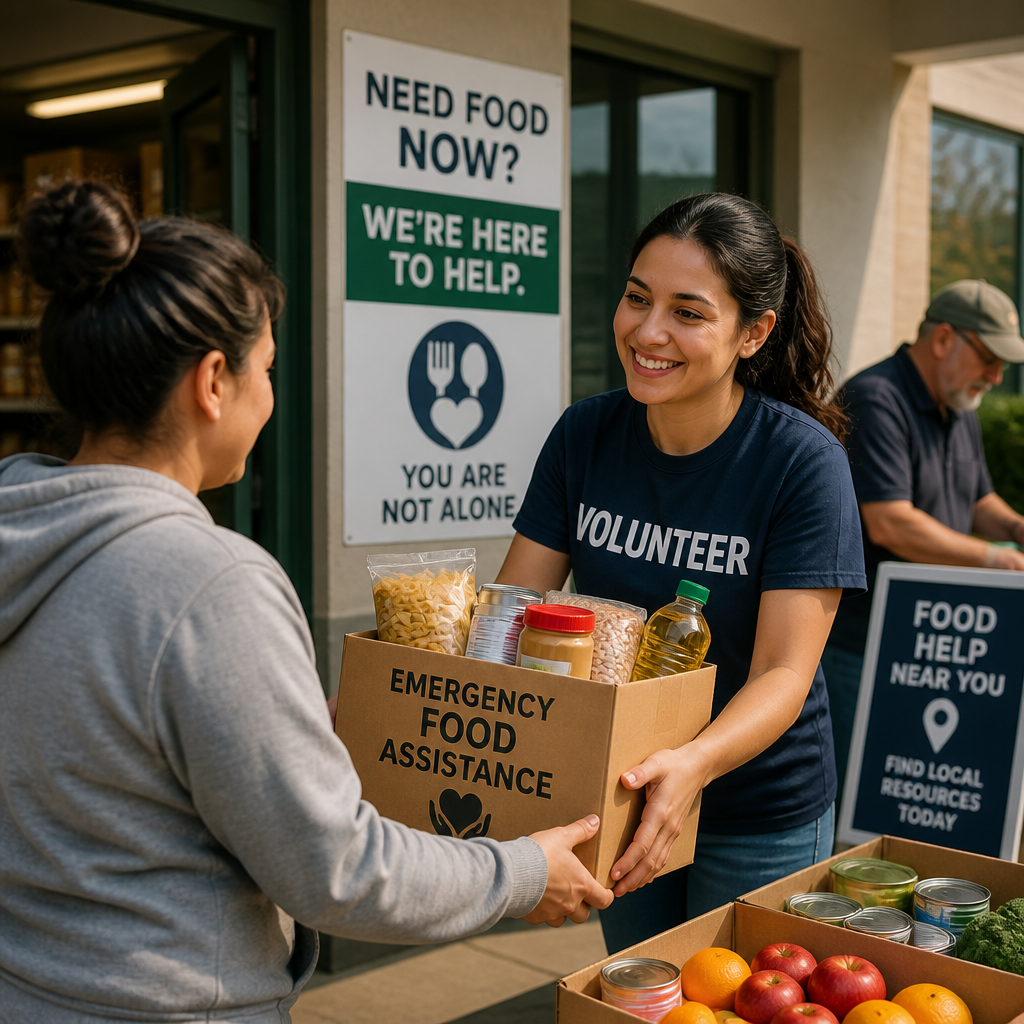
Emergency Food Assistance: Find Immediate Help Near You
If you need food today, emergency food assistance can connect you with local pantries, meal sites, and other fast support—often with little more than a quick call or search. This guide shows you how to find help near you and what to expect when you arrive.
By: Emily Adams on August 3, 2026
Anúncios
When money is tight and groceries are running low, emergency food assistance can make the difference between skipping meals and getting through the week with dignity. Whether you’ve just experienced a job loss, a medical emergency, an unexpected bill, or a temporary gap in benefits, there are fast ways to find food help near you.
The good news is that emergency food assistance is often easier to access than people realize. Food banks, pantries, soup kitchens, community centers, schools, faith-based groups, and government programs all play a role in helping people get immediate support. In many cases, you do not need to prove a long-term hardship to receive help.
Anúncios
This guide explains how to find emergency food assistance quickly, what to expect when you arrive, and how to connect with additional support if you need it.
What Emergency Food Assistance Includes
Emergency food assistance refers to short-term help for individuals and families who need food right away. It can come in several forms:
Anúncios
Food pantries that provide groceries to take home
Soup kitchens and meal sites that offer prepared meals
Mobile food distributions that bring food into neighborhoods
Emergency boxes or bags with shelf-stable food
Government nutrition programs that help you stretch your food budget
Community referrals to housing, utility, and social services
Some programs provide a one-time visit, while others allow repeated support based on need. Many organizations also help with diapers, infant formula, hygiene items, and other basic supplies.
How to Find Emergency Food Assistance Near You
If you need help today, start with the fastest and most reliable options. A few minutes of searching can connect you to local food assistance resources.
1. Call 2-1-1
In many areas of the United States, dialing 2-1-1 connects you with a local community resource specialist. They can help you locate:
Nearby food pantries
Free meal programs
Salvation Army or church-based assistance
Emergency shelter referrals
Utility and rent help that may free up money for food
You can usually call 24/7, and some regions also offer online search tools. If you have trouble finding food assistance on your own, 2-1-1 is one of the best starting points.
2. Search the Feeding America Food Bank Network
Feeding America is one of the largest hunger-relief networks in the country. Its food bank locator can help you find local partner pantries and mobile distributions. Many food banks also list hours, eligibility rules, and required documents.
This is especially helpful if you need emergency food assistance on a specific day and want to avoid visiting places that are closed or fully booked.
3. Check Local Government and City Websites
County and city websites often post updated information about:
Community meal sites
Senior food programs
School meal pickup locations
Disaster food assistance
Seasonal or holiday food drives
Because local governments sometimes partner with nonprofits, their websites can be a useful source for finding nearby help that is current and geographically specific.
4. Contact Churches, Synagogues, Mosques, and Community Centers
Faith-based organizations often run food pantries or host regular meal services. Even if they do not operate their own pantry, they may know where to find immediate help nearby.
Community centers, libraries, and neighborhood organizations may also keep lists of local food resources. If you prefer in-person guidance, these can be excellent places to ask.
5. Use School and College Resources
If you have children, check with your child’s school, district office, or parent liaison. Some schools offer:
Backpack food programs
Weekend meal packs
Free breakfast and lunch programs
Connections to community food pantries
Colleges and universities may also have campus food pantries, emergency meal funds, or student support centers for people facing food insecurity.
Where to Go for Immediate Food Help Today
Not all food assistance works the same way. If you need food immediately, choose the type of program that matches your situation.
Food Pantries
Food pantries usually provide groceries you can take home and prepare yourself. They often distribute canned goods, pasta, rice, bread, milk, frozen items, and fresh produce when available.
A pantry is a good option if:
You have a kitchen or place to cook
You need food for multiple days
You want to combine support with benefits like SNAP
Some pantries require an appointment, while others allow walk-ins. Call ahead if possible.
Soup Kitchens and Community Meal Sites
Soup kitchens, shelters, and community meal programs serve ready-to-eat meals on site. These are often the fastest way to get food with no cooking required.
They can help if:
You do not have kitchen access
You are traveling or unhoused
You need a meal immediately, not groceries
Mobile Food Distributions
Mobile food pantries bring food directly to neighborhoods, apartment complexes, schools, or rural areas. These distributions are especially valuable for people without reliable transportation.
Bring bags or boxes if the organization recommends them, and arrive early because supplies may be limited.
Disaster Relief or Emergency Services
If your situation involves a fire, flood, storm, power outage, or other emergency, local emergency management agencies and relief organizations may provide food boxes, water, and temporary meal support.
Documents and Information You May Need
Many emergency food assistance programs are designed to reduce barriers, so you may not need much to receive help. Still, it helps to be prepared.
You may be asked for:
Your name and household size
A photo ID
Proof of address
Income information
School ID for students
SNAP or Medicaid information if relevant
Some programs require very little documentation, especially in urgent situations. If you do not have an ID or recent bills, still ask. Do not assume you are ineligible.
How to Make the Most of Your Visit
A little preparation can make your visit smoother and reduce stress.
Before You Go
Check the hours carefully
Confirm whether you need an appointment
Ask whether they offer groceries, meals, or both
Find out if they have age, residency, or income requirements
Bring reusable bags or a cart if you have one
What to Ask For
If you are talking with staff or volunteers, ask about:
Other nearby food pantry locations
Weekend or holiday meal services
Senior food boxes
Baby formula or diaper assistance
SNAP application help
Local programs for utility or rent relief
Many organizations can connect you to more than just food.
If Transportation Is a Problem
If you cannot travel easily, ask whether the organization offers:
Delivery for seniors or people with disabilities
Mobile distributions in your zip code
Rides from community partners
Virtual referrals to closer resources
Transportation is a common barrier, and some agencies already have solutions in place.
Government Programs That Can Help Stretch Your Budget
Emergency food assistance is often the first step, but long-term support can help prevent repeated crises.
SNAP
The Supplemental Nutrition Assistance Program, or SNAP, helps eligible households buy groceries with an EBT card. If you qualify, SNAP can make a major difference in your monthly food budget.
Many food pantries and social service agencies can help you apply.
WIC
The Special Supplemental Nutrition Program for Women, Infants, and Children provides nutrition support for:
Pregnant people
New mothers
Infants
Children under age five
WIC can provide food benefits, nutrition education, and breastfeeding support.
School Meal Programs
Free and reduced-price school meals help children receive nutritious meals during the school year. Some districts also offer summer meals, breakfast after the bell, and weekend food support.
Senior Nutrition Programs
Older adults may be eligible for meal delivery or congregate meal sites through local aging agencies and nonprofit partners.
Common Myths About Emergency Food Assistance
People sometimes avoid asking for help because of misinformation. Here are a few myths worth clearing up.
“I Have to Be Completely Out of Food to Qualify”
Not necessarily. Many programs serve people who are at risk of running out of food, not only those who have no food at all.
“I Need to Prove Extreme Poverty”
Some programs have income guidelines, but others use a simple self-declaration or short intake form. In an emergency, many sites focus on getting food out quickly.
“Food Pantries Are Only for Unhoused People”
Food insecurity affects working families, students, seniors, caregivers, and people between jobs. Food pantries serve a wide range of households.
“I’ll Be Judged for Asking”
Most food assistance programs are staffed by people who understand that hard times can happen to anyone. Their goal is to help, not to shame.
What to Do If You Can’t Find Help Right Away
If you are striking out on the first search, keep going. Emergency food assistance is often available through multiple channels.
Try these next:
Search for “food pantry near me” plus your city or zip code
Check nearby towns or neighboring counties
Call local libraries and ask for community resource referrals
Contact hospitals, clinics, or social workers for referrals
Visit city hall, a community action agency, or a homeless outreach office
If you need food tonight, ask specifically about same-day meals, walk-in pantry hours, or shelter meal services.
How to Build a Short-Term Food Plan
If your situation may last more than a few days, it helps to think beyond one visit.
A practical short-term plan might include:
Visiting a pantry this week
Applying for SNAP or WIC
Using school meal programs if you have children
Scheduling a follow-up visit to a mobile pantry
Setting up text alerts or checking weekly pantry calendars
Even small steps can reduce pressure and help you stabilize your household food supply.
Frequently Asked Questions
1. What is the fastest way to find emergency food assistance near me?
The fastest options are usually calling 2-1-1, checking the Feeding America food bank locator, or searching local government websites for nearby pantries and meal sites. If you need food the same day, ask specifically for walk-in pantries or community meal programs.
2. Do I need proof of income to get help from a food pantry?
Not always. Many food pantries ask for minimal information, and some require only basic household details. Requirements vary by location, so it is still worth calling ahead. If you do not have documents, ask what alternatives they accept.
3. Can I receive emergency food assistance if I already get SNAP?
Yes. SNAP can help with grocery purchases, but it may not cover all your needs during a crisis. Many households use food pantries and meal sites along with SNAP to bridge a short-term gap.
4. What if I cannot travel to a food pantry?
If transportation is a problem, ask about mobile food distributions, delivery options, or nearby meal sites. Some organizations also coordinate with senior services, disability support agencies, or local volunteers for transportation help.
5. Are there food assistance programs for children and seniors?
Yes. Children may qualify for school meals, backpack programs, and summer feeding sites. Seniors may have access to home-delivered meals, congregate meal sites, and senior food boxes. Local aging agencies and school districts are good places to start.
When you need help right now, emergency food assistance can provide immediate relief and a path toward longer-term stability. Start with the quickest options first: call 2-1-1, check local food banks, contact nearby meal programs, and look at city or county resource pages. If you have children, students in the household, or older adults you support, make sure to ask about specialized food programs that may offer additional help.
The most important thing to remember is that asking for support is not a failure. Food assistance exists because communities recognize that hard times happen. Whether you need a bag of groceries, a hot meal, or help applying for benefits, resources are available.
Take the next step today by reaching out to one local source of help. One call or one visit can move you from uncertainty to a plan—and that can make a real difference.
Emily A, holds a Master's degree in Public Administration (MPA) and has over 7 years of experience researching federal and state assistance programs. She writes educational content focused on government benefits, public policy, and community resources, using information from official agencies to help readers understand available programs and eligibility requirements.