How to Protect Your Unemployment Benefits From Identity Theft
Anúncios
Unemployment benefits can be a lifeline when work suddenly disappears. Unfortunately, they can also become a target for criminals. If someone steals your personal information and files a claim in your name, you could face delays, denied payments, tax problems, and a lot of stress. That’s why learning how to protect your unemployment benefits from identity theft is so important.
The good news is that you can lower your risk with a few practical habits and respond quickly if something looks wrong. In this guide, you’ll learn how identity theft happens, what warning signs to watch for, and the best steps to secure your account and your benefits.
Anúncios
How Unemployment Benefits Identity Theft Happens
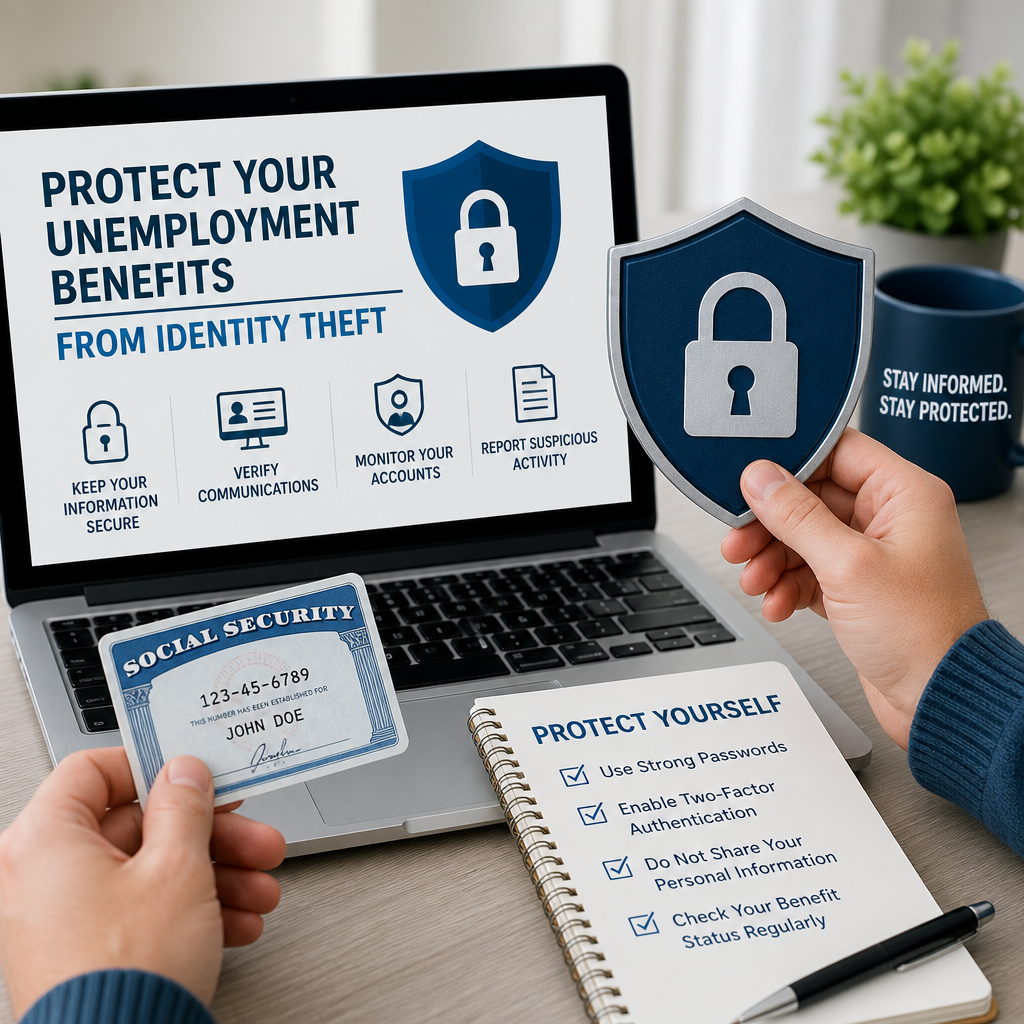
Identity theft involving unemployment benefits usually starts when someone gets access to your personal information. That might include your Social Security number, date of birth, address, phone number, email account, or even copies of your government ID.
Once a thief has enough details, they may:
Anúncios
- File a fraudulent unemployment claim in your name
- Change the mailing address or direct deposit information on your account
- Use stolen login credentials to access your state unemployment portal
- Intercept benefit notices, payment cards, or tax forms
- Pretend to be you during identity verification steps
This kind of fraud often happens quietly. You may not notice anything until you receive a letter about a claim you never filed or your legitimate benefits are delayed.
Common warning signs
Watch for these red flags:
- A notice from your state unemployment office about a claim you never started
- Missing or delayed benefit payments
- A debit card or direct deposit account you didn’t authorize
- IRS tax documents for unemployment compensation you never received
- Password reset emails or login alerts you didn’t request
- Mail from your state unemployment agency sent to an old or unfamiliar address
If any of these happen, act quickly.
Why You Should Protect Your Unemployment Benefits From Identity Theft Early
Many people only think about fraud after it happens. But the best time to protect your unemployment benefits from identity theft is before a criminal targets your information.
When you take preventive steps, you reduce the chance of:
- Fraudulent claims being filed in your name
- Delayed access to your legitimate benefits
- Long disputes with your state agency
- Tax reporting problems related to false payments
- Damage to your credit and broader financial identity
A little prevention can save you weeks or months of trouble later.
How to Protect Your Unemployment Benefits From Identity Theft
Protecting your benefits is really about protecting your identity, your account access, and your communication channels. The following steps are simple, but they matter.
1. Secure your unemployment account with a strong password
Your unemployment portal is the main gateway to your benefits. If someone gets into that account, they may be able to redirect payments or view sensitive records.
Use a strong password that:
- Is unique and not used on any other account
- Has at least 12 characters
- Includes a mix of letters, numbers, and symbols
- Avoids personal information like birthdays or pet names
If your state unemployment website offers multi-factor authentication, turn it on. That extra verification step can stop many attacks, even if a thief steals your password.
2. Protect your email account
Your email account is often the recovery tool for unemployment login access. If a criminal takes over your email, they may reset your password, read alerts, and block notices from your state agency.
To protect your email:
- Use a strong, unique password
- Turn on multi-factor authentication
- Review recovery email addresses and phone numbers
- Watch for unfamiliar login alerts
- Avoid using public Wi-Fi to check sensitive email without protection
Consider creating a dedicated email address just for unemployment and government benefits. That can make alerts easier to track and reduce exposure.
3. Freeze your credit
A credit freeze does not stop unemployment fraud directly, but it helps protect your broader identity. If a thief has enough information to open financial accounts in your name, a freeze makes that harder.
You can freeze your credit with the three major credit bureaus:
- Equifax
- Experian
- TransUnion
A freeze is free, and you can temporarily lift it when you need to apply for credit or loans. It’s a smart move if you want broader identity protection while receiving unemployment benefits.
4. Monitor your mail and online accounts
Thieves often rely on stolen mail or account access to complete a fraudulent unemployment claim. Keep an eye on anything unusual.
Check for:
- Benefit notices from your state agency that you didn’t expect
- Letters with incorrect names or addresses
- Password reset messages you didn’t request
- Deposits or debit card mailings you never ordered
- New account activity in your email or state portal
If possible, sign up for USPS Informed Delivery so you can preview incoming mail and notice suspicious activity faster.
5. Keep your personal information private
The more places your Social Security number and other details appear, the more chances criminals have to steal them.
Use caution when sharing personal information:
- Only provide it to trusted agencies or employers
- Avoid posting it in documents stored in unsecured cloud folders
- Don’t email sensitive information unless the agency specifically requests it through a secure method
- Shred old paperwork that contains personal data
- Be suspicious of phishing calls, texts, or emails asking you to “verify” your identity
A real unemployment office should not pressure you to share sensitive information through unsafe channels.
6. File your claim promptly and keep records
If you are unemployed and eligible, file your claim as soon as you can through your state’s official unemployment website. Waiting too long can create confusion if someone else files first.
After filing:
- Save confirmation numbers
- Take screenshots of submitted forms
- Keep copies of letters and emails from the agency
- Record dates, times, and names of representatives you speak with
Good records make it easier to challenge fraudulent activity later.
7. Set up account alerts whenever possible
Many states and financial institutions offer alerts for important changes. Turn them on.
Useful alerts may include:
- Login attempts
- Password changes
- Address updates
- Direct deposit changes
- New claims or benefit notices
These alerts can give you an early warning if someone tries to take over your account.
What to Do If You Suspect Unemployment Fraud
If you think someone filed a claim in your name, don’t wait. The faster you respond, the better your chances of limiting the damage.
1. Contact your state unemployment agency
Report the suspicious claim right away to your state’s unemployment office. Ask them to flag your account for fraud and explain the steps you need to take.
Be ready to provide:
- Your full name
- Social Security number
- Mailing address
- Any claim numbers or notices you received
- A clear explanation of what looks wrong
Ask for written confirmation of your report if possible.
2. Change passwords immediately
Change the passwords for:
- Your unemployment account
- Your email account
- Any other account that uses the same password or recovery email
If you reused the same password anywhere else, update those accounts too.
3. Place fraud alerts and check your credit reports
You can place a fraud alert with one credit bureau, and it must notify the others. A fraud alert tells lenders to take extra steps to verify your identity.
Then review your credit reports for unfamiliar accounts or inquiries. You can get free reports from the official source at AnnualCreditReport.com.
4. File a report with the FTC
If your identity has been used for unemployment fraud, go to IdentityTheft.gov and create a recovery plan. The FTC site walks you through reporting the theft and creating documentation you can use with agencies and creditors.
5. Consider filing a police report
In some situations, especially if the fraud is widespread or causing major financial harm, a police report may help document the case. Your state unemployment office may ask for it as part of the recovery process.
6. Save every document and message
Keep copies of:
- Fraud reports
- Agency correspondence
- Screenshots of suspicious logins or claim notices
- Credit reports
- FTC recovery plan documents
Organization matters. The more proof you have, the easier it is to resolve the issue.
Best Habits to Prevent Unemployment Identity Theft Long-Term
Stopping unemployment identity theft is not a one-time task. It’s an ongoing habit. A few smart routines can help you stay protected.
Use a password manager
A password manager helps you generate and store strong, unique passwords without needing to remember them all. That reduces the temptation to reuse old passwords.
Review your account activity regularly
Log in to your unemployment portal and email account periodically to look for strange changes. Even if you’re not receiving benefits yet, account activity can reveal problems early.
Be careful with public computers and Wi-Fi
Avoid filing claims or checking sensitive benefits information on public computers. If you must use public Wi-Fi, use a secure connection and log out completely when finished.
Watch for phishing scams
Criminals often pose as state agencies, banks, or employers. Look for:
- Misspelled sender names
- Urgent demands for personal data
- Links to fake websites
- Attachments you didn’t request
When in doubt, go directly to the official website instead of clicking a link.
Store your records safely
Keep unemployment letters, tax forms, and claim confirmations in a secure folder or locked file cabinet. If you scan documents, protect the digital copies with strong passwords.
How Employers and Families Can Help
Identity theft prevention is not just an individual effort. Employers and family members can also help protect your information.
For employers
Employers can reduce risk by:
- Limiting access to employee records
- Training staff on phishing and social engineering
- Using secure channels for HR documents
- Notifying workers promptly if a data breach occurs
For family members
If you help someone manage unemployment claims, be careful with their information:
- Don’t share their personal details casually
- Use trusted devices and secure passwords
- Make sure mail is delivered to the correct address
- Help them monitor notices and account alerts
Older adults and people who are less comfortable with technology may especially benefit from this kind of support.
Frequently Asked Questions
What is unemployment benefits identity theft?
Unemployment benefits identity theft happens when someone uses your personal information to file a fraudulent unemployment claim or access your benefits account. The thief may try to redirect payments, intercept mail, or collect benefits in your name.
How do I know if someone filed for unemployment using my identity?
Common signs include a notice from your state unemployment office about a claim you never submitted, missing payments, unexpected tax forms, or alerts about account changes you did not make. If something feels off, contact your state agency immediately.
Should I freeze my credit if I’m receiving unemployment benefits?
Yes, a credit freeze is a smart precaution because it can make it harder for criminals to open new financial accounts using your information. It does not affect your unemployment benefits directly, and it can be lifted later if needed.
What should I do if I receive a 1099-G for benefits I never got?
Contact your state unemployment office right away and report the false form. You should also keep records, check your credit reports, and file a report through IdentityTheft.gov if identity theft is involved. The incorrect tax form may need to be corrected by the state.
Can someone steal my unemployment benefits without my password?
Yes. A thief may use stolen personal information, intercepted mail, phishing scams, or a data breach to file a claim without accessing your password. That’s why protecting your email, mail, and personal records matters as much as protecting your login.
Official Resources
- IdentityTheft.gov — Federal Trade Commission
- AnnualCreditReport.com — Official credit report access
- USA.gov — Unemployment benefits resources
- Social Security Administration — Protecting your Social Security number
- United States Postal Inspection Service — Mail theft reporting
Conclusion
Unemployment benefits can make a real difference during a difficult time, but they also attract identity thieves looking for easy access to personal information and government payments. The best way to protect your unemployment benefits from identity theft is to stay proactive: secure your online accounts, safeguard your email, monitor your mail, freeze your credit, and act fast if anything seems suspicious.
If you do spot a problem, quick reporting can limit the damage and help you restore your benefits more efficiently. Keep records, use official government resources, and treat your personal information with the same care you’d give to cash in your wallet. A few careful habits now can prevent major delays and stress later. By staying alert and organized, you can better protect your benefits, your identity, and your financial peace of mind.